

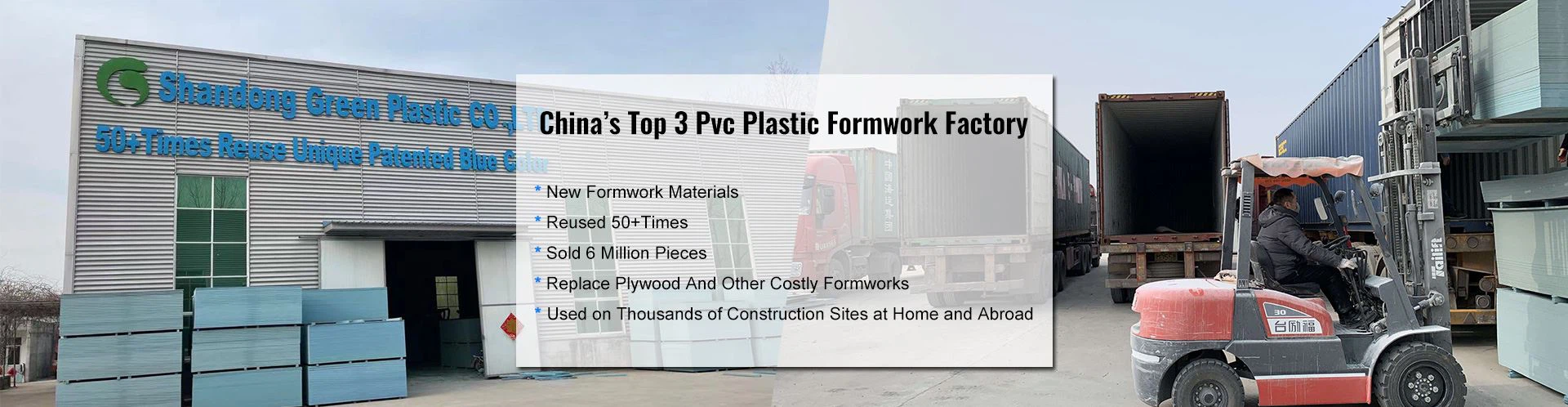



Choosing the right concrete shuttering material affects construction planning, installation methods, concrete surface quality, and overall project costs. For contractors, construction material distributors, and engineering procurement teams, PVC plastic concrete shutters may be worth considering when evaluating alternatives to conventional formwork materials.
However, not every PVC board is designed to withstand the loads associated with concrete shuttering. The material, panel structure, thickness, connections, and supporting arrangement must all be suitable for the intended application.
This guide explains what buyers should know about PVC plastic concrete shutters, which factors influence product selection, and what to verify before sourcing plastic formwork from a manufacturer.
1. What Are PVC Plastic Concrete Shutters?
PVC plastic concrete shutters are panels or shuttering components made from polyvinyl chloride and intended for use in a concrete formwork system.
During concrete placement, the shuttering holds fresh concrete within the required shape. The panels must remain stable under the loads generated during placement and must work with the relevant connections, bracing, and supporting structure.
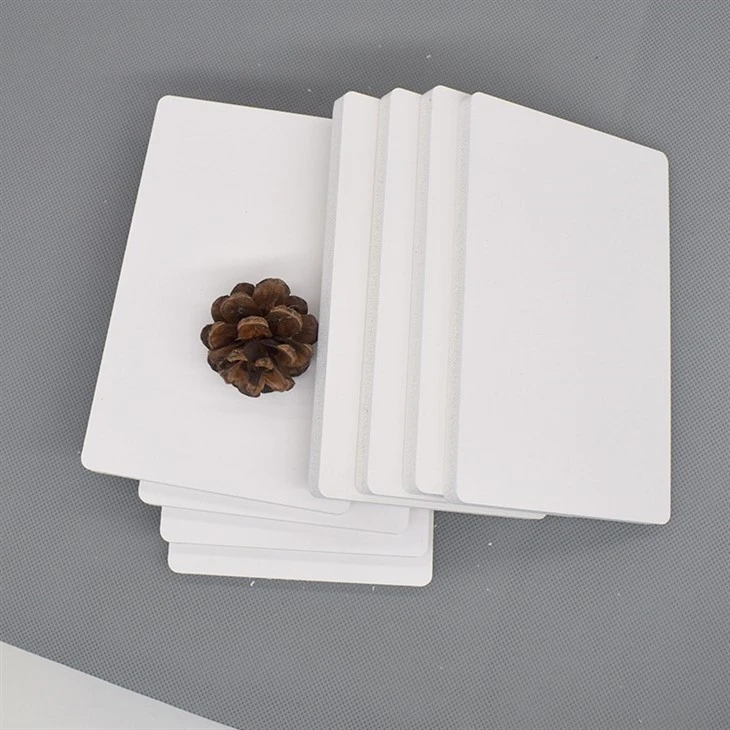
The term PVC plastic formwork can describe products with different constructions and performance characteristics. Some PVC boards are manufactured for advertising, furniture, partitions, or decorative applications rather than structural formwork.
This distinction is important when sourcing products internationally. A PVC foam board or general-purpose PVC sheet should not automatically be treated as a concrete shutter simply because it is rigid, moisture-resistant, or easy to process.
Before selecting a product, buyers should establish whether the manufacturer has developed and documented it for the specific formwork application.
2. Why Consider PVC Plastic Formwork for Concrete Construction?
PVC has material characteristics that may be useful in certain construction applications. Whether these characteristics provide a practical advantage depends on the design of the complete shuttering system.
Moisture Resistance in Construction Environments
Concrete construction exposes formwork to wet materials, cleaning operations, and changing site conditions. PVC is generally resistant to moisture, making this characteristic relevant when assessing suitable formwork materials.
However, the performance of an assembled system also depends on joints, fasteners, edges, and supporting components. Buyers should evaluate the complete product rather than assuming that the base material alone determines its performance.
Panel Handling and Installation
Panel weight and dimensions affect transportation, site movement, positioning, and installation planning.
When comparing PVC formwork with plywood or metal systems, ask for the actual weight per panel and the installation requirements. The number of workers, lifting equipment, connection components, and handling restrictions may influence the suitability of the product for a particular site.
Lightweight construction can be useful, but it does not replace the need to verify stiffness, strength, and load capacity.
Concrete Surface Finish
The contact surface of a shutter can influence the appearance of the concrete after removal. Surface texture, panel joints, alignment, and the use of suitable release agents all deserve attention during product selection.
The final finish also depends on concrete mix design, placement speed, compaction, curing, and workmanship. A smooth panel surface alone does not guarantee a defect-free result.
For projects with defined appearance requirements, buyers should request representative samples, product information, or documented application results where available.
Maintenance and Potential Reuse
For reusable formwork, the initial purchase price is only one part of the cost.
Buyers should consider cleaning, storage, handling, inspection, repair, and replacement. The expected service life depends on the panel construction, applied loads, operating conditions, and maintenance practices.
Ask the manufacturer for evidence supporting any stated reuse-cycle claim. Without product-specific evidence, a general number of reuse cycles should not be treated as a reliable basis for calculating project costs.
3. How to Select PVC Concrete Shutters for Different Applications
The appropriate formwork arrangement depends on the concrete element, the construction method, and the project's engineering requirements.
Wall Formwork
Wall shuttering must maintain the required alignment and resist the pressure generated by fresh concrete. Important considerations include panel dimensions, connection strength, bracing, support spacing, and the planned concrete placement sequence.
Before choosing PVC panels, confirm that the proposed system has been evaluated for the relevant wall height, concrete conditions, and support arrangement.
Column Formwork
Column formwork must maintain the specified dimensions and geometry throughout concrete placement.
Buyers should check how the panels connect, how the assembly is secured, and whether the system accommodates the required reinforcement layout. The proposed arrangement should match the construction drawings and the responsible engineer's requirements.
Beam and Slab Formwork
Beam and slab applications require careful consideration of spans, deflection, support spacing, concrete weight, construction loads, and installation procedures.
A PVC shutter panel should not be selected for these applications solely because it is waterproof or easy to handle. Its mechanical properties and the performance of the complete supporting system must be verified for the intended conditions.
The responsible engineer or qualified temporary-works designer should approve the proposed arrangement before construction.
4. PVC Plastic Shutters vs. Plywood and Steel Formwork
When evaluating formwork materials, buyers should compare their suitability for the actual project rather than assuming one material is universally better.
PVC plastic formwork may be worth evaluating where moisture resistance and panel-handling characteristics are relevant. Its suitability depends on the specific panel design, mechanical properties, connections, and available technical documentation.
Plywood formwork is familiar to many construction teams and can be adapted to different layouts. Its performance depends on the plywood grade, surface treatment, moisture exposure, edge protection, and handling.
Steel formwork can be supplied as part of purpose-designed systems with defined connections and configurations. Buyers should account for panel weight, transport, lifting arrangements, storage, and maintenance.
A meaningful comparison should cover more than material price. Consider:
* Initial purchase cost and accessories
* Installation labor and handling equipment
* Transportation and storage requirements
* Cleaning and maintenance
* Expected service life under actual site conditions
* Required concrete surface finish
* Technical compliance and engineering approval
The most economical solution is the one that meets the project's requirements at an acceptable total cost, not necessarily the one with the lowest price per panel.
5. Technical Specifications to Check Before Ordering
A product description may provide a general overview, but construction buyers need enough technical information to evaluate whether a formwork product is suitable.
Material and Panel Construction
Confirm the material designation, panel structure, dimensions, thickness, and manufacturing tolerances. If the product contains a hollow core or reinforced structure, request details of the construction where relevant.
Mechanical Properties
Request technical data and applicable test reports for the properties required by the intended application. Depending on the system, these may include stiffness, strength, deformation under load, and connection performance.
Check that the documentation corresponds to the exact product, thickness, and construction being quoted.
Connection and Support Requirements
The panel is only one part of the formwork system. Connections, fasteners, bracing, support spacing, and assembly methods can affect overall performance.
Request installation instructions and clarify which components are included in the quotation.
Surface and Maintenance Requirements
Ask about surface condition, recommended release agents, cleaning procedures, storage, inspection, and handling restrictions.
These details help the construction team plan the full operating process rather than focusing exclusively on the initial purchase.
Quality Inspection
Before confirming an order, agree on the required dimensions, tolerances, surface condition, quantity, and inspection criteria.
Where samples or third-party inspection are appropriate, clarify the arrangements in advance. This helps align the manufacturer's production requirements with the buyer's procurement specifications.
6. What Should International Buyers Ask a PVC Formwork Manufacturer?
A clear enquiry helps a supplier understand the application and identify the information required for a quotation.
What is the product designed for?
Confirm whether the proposed PVC panel is specifically intended for concrete shuttering or is a general-purpose PVC board.
Which dimensions and specifications are available?
Provide the required length, width, thickness, estimated quantity, and any project-specific requirements.
What technical documents can the manufacturer provide?
Ask for relevant specifications, test reports, installation instructions, and information about the complete system.
How are connections and supports arranged?
Clarify whether the supplier provides compatible accessories and what supporting structure the product requires.
What inspection and maintenance procedures are recommended?
Request guidance for checking panels before use, cleaning them after stripping, and storing them between applications.
Can the manufacturer assess a project-specific requirement?
Drawings, photographs, and a brief description of the construction method can help the supplier understand the intended application. The final engineering suitability must still be established through the appropriate technical review.
These questions help buyers compare suppliers based on product suitability and technical support rather than relying on general promotional statements.
Frequently Asked Questions
What are PVC concrete shutters used for?
PVC concrete shutters are intended to contain and shape fresh concrete as part of a formwork system. Their suitability for walls, columns, beams, or slabs depends on the specific product design and the engineering requirements of the application.
Are PVC plastic shutters waterproof?
PVC is generally resistant to moisture. However, the performance of the complete shuttering system also depends on joints, connections, panel condition, and installation quality.
Can ordinary PVC foam board be used as concrete formwork?
Not automatically. PVC foam board is available in different grades and constructions, and many products are designed for applications unrelated to structural formwork. Before using any board as concrete shuttering, verify its intended use, mechanical performance, support requirements, and suitability for the specific project.
Can PVC concrete shutters be reused?
Reuse depends on the product construction, loads, handling, maintenance, and inspection results. Buyers should request supporting evidence for any claimed service life or number of reuse cycles.
What information is needed to request a quotation?
Provide the intended application, panel dimensions, required thickness, quantity, project specifications, delivery destination, and expected schedule. Technical drawings or photographs can help clarify the required configuration.
Conclusion
PVC plastic concrete shutters may be an option for selected concrete construction applications, but material selection must be based on the performance of the actual product and the complete formwork system.
For contractors, importers, and construction material distributors, the key considerations are panel construction, mechanical properties, connections, support arrangements, surface-finish requirements, maintenance, and total lifecycle cost.
Before ordering, confirm that the product is designed and documented for the intended application. Providing clear project specifications also helps the manufacturer respond with relevant product information and identify any requirements that need further engineering review.
If you are sourcing PVC plastic concrete shutters, prepare your required dimensions, application details, estimated quantity, and technical specifications before contacting a manufacturer. This creates a clearer basis for comparing products and evaluating their suitability for your project.
Hot Tags: PVC Plastic Concrete Shutters: Applications, Benefits and Selection Guide, China, manufacturers, suppliers, wholesale


