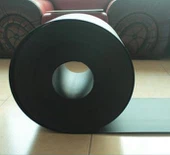
Traditional wood formwork is common in Popper and pine formwork. The template is light and low in cost, but it has low strength, is not waterproof, is prone to mildew and rot, and has low reuse rate. It needs to consume wood resources, which is not conducive to protecting the ecological environment and forest resources. The disadvantages of bamboo templates are the same. The reutilization rate is low and cannot be recycled.
Steel formwork, as the name implies, is steel. The strength is very large. The concrete after demolition is very good, but the weight is too heavy. The construction requires mechanical equipment and is easy to rust. In the process of concrete pouring, it is easy to bond with the concrete and spread. Worship death. The plastic construction template is not afraid of water and durable, but has poor rigidity, variable types and high cost.
Unparalleled advantages of plastic building templates:
(1) Good dynamic performance and longer turnaround time.
(2) The product quality is stable, the product is not warped, deformed, cracked, good water resistance, cooked for 24 hours without glue. It can be based on, can be nailed, can be thrown, does not deform in summer, does not expand, rain can not skin, not brittle in winter.
(3) The surface is smooth, easy to release, easy to clean and maintain, no release agent is needed, the template surface is not cemented, and the template does not need to be cleaned.
(4) The time limit is greatly reduced.
(5) Corrosion-resistant, non-polluting concrete surface.
(6) Good thermal insulation performance is conducive to winter construction.
(7) Can be used as a template for curved surfaces.
(8) The plastic construction template has good construction performance, and the performance of nailing, sawing and drilling is better than bamboo plywood, wooden template and small steel mold. Can be processed into various shapes according to construction needs.