When the rainy season arrives, the biggest headache on construction sites is wooden formwork "acting up." It swells when soaked by rain, then warps and cracks under the sun. Not only does this lead to high material loss and low turnover, but the concrete surface after stripping is often uneven, sometimes even requiring rework. For contractors, this means wasted material costs and hidden delays in the schedule.
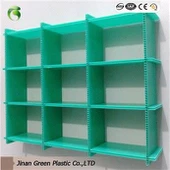
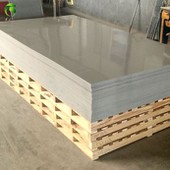
PP hollow plastic formwork is built for wet, rainy, and high-humidity environments.
Made from polypropylene, it is waterproof, mold-resistant, and delamination-free. Even in high-humidity settings such as basements, utility tunnels, bridges, and tunnels, it stays flat and dimensionally stable. Prolonged contact with rainwater or damp substrates will not cause blistering, warping, or glue failure.
Unlike traditional wooden formwork, which often requires tarpaulin coverage and work stoppages during rain, PP hollow plastic formwork allows construction to proceed even on rainy days. It does not gain weight from water absorption, nor does it wear out quickly under repeated wet-dry cycles. This reduces the frequency of formwork replacement and minimizes weather-related schedule delays.
From a total cost perspective, the advantage of PP hollow plastic formwork goes beyond "water resistance." It offers higher turnover, produces a smoother concrete finish after stripping, and reduces post-stripping repair work. It also cuts the extra procurement costs caused by water-damaged wooden formwork. For project management, what is saved is not just the cost of replacing boards, but also the cost of lost time.
Choose the right formwork, and rainy-season construction can be smooth and efficient.