


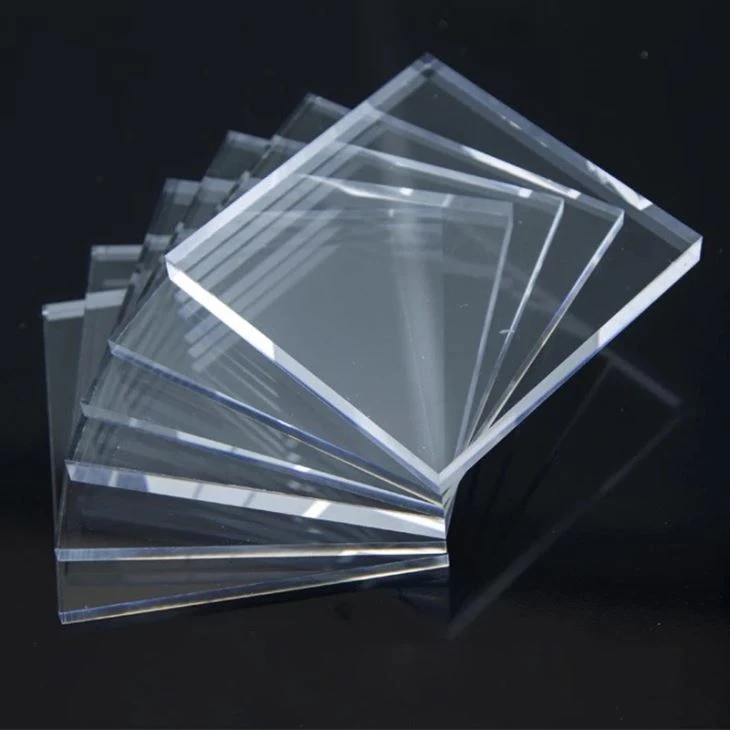


1. Clear Acrylic Sheets for Projects That Require a Better Surface Finish
In display manufacturing, retail fixtures, decorative products, and customized acrylic fabrication, surface appearance plays an important role in the final product. Scratches can affect the visual quality of transparent panels, particularly when the material is handled frequently or used in visible areas.
Scratch resistant acrylic sheet is designed for applications where surface durability and visual clarity are important considerations. Made from PMMA (polymethyl methacrylate), this type of sheet combines the appearance of acrylic with a specially designed surface intended to improve resistance to scratching compared with the corresponding untreated material.
Green Plastic offers scratch resistant acrylic sheet options for different fabrication and decorative requirements. Available choices include transparent, white, opal, blue, red, yellow, and other colors according to customer requirements.
For manufacturers and distributors sourcing acrylic materials, selecting the appropriate sheet type, thickness, dimensions, and surface treatment helps ensure that the material matches the needs of the finished product.
2. Why Choose Scratch Resistant Acrylic Sheet?
Acrylic is widely used in applications that require a clear appearance, relatively low weight, and flexible fabrication options. A scratch resistant surface treatment can provide an additional benefit when the appearance of the finished product needs to be maintained during handling and use.
Improved Surface Scratch Resistance
Surface scratching can be a concern for transparent display panels, decorative components, and other visible acrylic products. Scratch resistant acrylic sheet is intended for applications where improved surface durability is required.
The actual level of scratch resistance depends on the surface treatment, sheet specification, and testing method. Buyers with strict performance requirements should request the applicable technical data before ordering.
High Optical Transparency
The supplied product information lists light transmission of up to 93%. This makes the transparent version a potential option for display panels, protective covers, product showcases, and other applications where visual clarity is important.
Actual light transmission can vary according to the material grade, thickness, color, and measurement method. Confirm the relevant specification for the selected product before using this value in a technical design.
Lightweight and Easy to Fabricate
Acrylic sheet offers a useful combination of relatively low weight and fabrication flexibility. Depending on the sheet grade and thickness, suitable processing methods may include laser cutting, drilling, polishing, bending, thermoforming, and printing.
Manufacturers can use these processes to produce customized panels, display components, decorative products, and other acrylic parts.
Processing conditions should be tested on the selected scratch resistant grade, particularly when cutting, heating, polishing, or bonding could affect the treated surface.
Suitable for Decorative Applications
Acrylic is frequently selected for products where surface appearance matters. Scratch resistant acrylic sheet can be considered for suitable retail displays, advertising components, stationery racks, decorative panels, and customized furniture details.
The choice between transparent and colored sheet depends on the visual effect and functional requirements of the project.
Weather Resistance for Appropriate Applications
The supplied product information identifies weather resistance as a product feature. However, outdoor suitability depends on the acrylic grade, surface treatment, exposure conditions, and the requirements of the finished product.
For long-term outdoor use, buyers should confirm the relevant weathering data and whether the selected sheet is suitable for the intended environment.
3. Extruded or Cast Acrylic: Which Should You Choose?
Acrylic sheets are commonly produced using casting or extrusion processes. The appropriate option depends on the required thickness, dimensional specifications, processing method, surface treatment, and budget.
Extruded acrylic sheet is often considered for projects requiring consistent sheet dimensions and production efficiency. Cast acrylic sheet may be preferred for certain fabrication methods and thickness requirements.
For scratch resistant acrylic, buyers should also confirm how the scratch resistant surface is produced and which side or sides receive the treatment.
Before selecting a material, consider the following questions:
* What thickness is required for the finished product?
* Is the material required to be transparent or colored?
* Does the application require scratch resistance on one surface or both?
* Will the sheet undergo laser cutting, thermoforming, drilling, or polishing?
* Is optical clarity a critical requirement?
* Will the finished product be used indoors or outdoors?
These details help narrow down the appropriate acrylic specification and avoid selecting a material based on the product name alone.
4. Product Specifications and Customization
The following table summarizes the information provided for this product.
| Item | Product Information |
| Product Name | Scratch Resistant Clear Acrylic Sheet |
| Material | PMMA / Acrylic |
| Production Types Mentioned | Cast and extruded |
| Listed Thickness Range | 1.8–50 mm |
| Listed Sheet Sizes | 1220 × 2440 mm, 1220 × 1830 mm, 2050 × 3050 mm, 2000 × 3000 mm |
| Custom Dimensions | Available according to customer requirements |
| Color Options | Transparent, white, opal, blue, red, yellow, and other requested colors |
| Listed | Light Transmission 93% |
| Listed Density | 1.2 kg/cm³ - unit requires confirmation |
| Certifications Listed in Source Material | SGS, RoHS, CE |
| Listed MOQ | 100 pieces, negotiable |
| Listed Delivery Time | Approximately 10 days after receipt of deposit |
The listed dimensions, thickness range, optical properties, and certification information should be confirmed against the actual product specification and supporting documentation before publication or purchase.
Important specification note: The source material lists density as 1.2 kg/cm³. This unit should be checked with the supplier because it may have been entered incorrectly. Do not publish it as a verified technical value until the unit and test basis are confirmed.
5. Applications of Scratch Resistant Acrylic Sheet
Scratch resistant acrylic sheet can be considered for a range of products where transparency, appearance, and surface durability are important.
Advertising and Retail Displays
Transparent and colored acrylic sheets can be fabricated into display panels, advertising components, product holders, and retail presentation fixtures.
For products frequently handled by staff or customers, scratch resistance may be an important selection criterion. The required performance should be confirmed for the chosen surface treatment.
Stationery Racks and Product Organizers
Acrylic sheet can be cut and assembled into stationery racks, product organizers, and customized holders. Transparent material allows the contents to remain visible, while colored options support different product designs.
Furniture and Interior Decoration
Acrylic can be used in selected decorative furniture components, cabinet details, and interior design elements. Color, thickness, finish, and fabrication requirements should be considered together to achieve the intended appearance.
Decorative Products and Creative Fabrication
Acrylic is also used for decorative panels, customized gifts, display objects, and craft products. Depending on the sheet specification, suitable processes may include cutting, drilling, bending, polishing, and printing.
Protective Covers and Equipment Components
Acrylic sheet may be considered for certain covers, guards, and equipment components where transparency is useful. Suitability depends on the required impact performance, temperature conditions, chemical exposure, and design requirements.
Scratch resistance alone does not establish that a sheet is suitable for safety-critical or load-bearing applications.
6. Processing Recommendations for Better Results
Even a scratch resistant acrylic sheet can be damaged if it is handled or processed incorrectly. Manufacturers should establish suitable procedures for the selected material before beginning large-scale production.
Laser Cutting: Confirm that the specific sheet grade is compatible with the intended laser process. Heat can affect edges and, depending on the product construction, may influence the treated surface.
Drilling: Use appropriate tools and cutting conditions to reduce the risk of cracking, chipping, or local damage.
Bending and Thermoforming: Confirm the permitted forming temperature and process parameters. Heating may affect the surface treatment or optical appearance, depending on the product.
Polishing: Check whether polishing is recommended for the selected sheet and whether it could remove or damage the treated layer near cut edges.
Printing and Bonding: Verify compatibility between the surface treatment, printing system, and adhesive. Testing a sample before production can help identify adhesion or appearance issues.
For applications where the scratch resistant layer is especially important, buyers should ask the supplier for processing recommendations specific to the selected grade.
7. What Buyers Should Confirm Before Ordering
A suitable acrylic sheet should match both the finished product's visual requirements and the manufacturer's processing capabilities.
Before requesting a quotation, prepare the following information:
1. Sheet dimensions: Specify the required length and width.
2. Thickness: Confirm the required thickness within the available product range.
3. Acrylic type: State whether you require extruded or cast acrylic.
4. Surface treatment: Confirm the scratch resistant specification and whether treatment is required on one or both sides.
5. Color and transparency: Choose transparent, white, opal, or another available color.
6. Processing method: Indicate whether the sheet will be laser cut, drilled, bent, thermoformed, polished, or printed.
7. Application environment: Explain whether the product will be used indoors or outdoors.
8. Technical documentation: Request applicable information on light transmission, scratch resistance, weathering, and other required properties.
9. Order quantity: Confirm the quantity and packaging requirements.
10. Delivery destination: Provide the destination so that shipping options and costs can be assessed.
Providing these details helps the supplier evaluate the application and recommend a more appropriate configuration.
8. Frequently Asked Questions
What is scratch resistant acrylic sheet?
Scratch resistant acrylic sheet is an acrylic PMMA sheet with a surface treatment or construction intended to improve resistance to scratching compared with the corresponding untreated material. The actual performance depends on the specific product and should be verified using relevant test data.
What is the difference between extruded and cast acrylic sheet?
Extruded and cast acrylic sheets are manufactured using different production processes. Their suitability depends on factors such as thickness, fabrication method, dimensional requirements, and the properties required in the finished product.
What thicknesses are listed for this product?
The supplied product information lists a thickness range of 1.8 mm to 50 mm. Confirm the available thicknesses for the specific scratch resistant grade before ordering.
What colors are available?
The supplied information lists transparent, white, opal, blue, red, yellow, and other colors according to customer requirements. Availability should be confirmed for the requested thickness and surface treatment.
Can scratch resistant acrylic sheet be laser cut?
Laser cutting may be suitable for some acrylic grades, but compatibility should be confirmed for the specific scratch resistant product. The process can affect the edges and may influence the treated surface.
Is the sheet suitable for outdoor use?
The source material lists weather resistance as a feature. For outdoor projects, request information about the specific grade's weathering performance and confirm its suitability for the intended exposure conditions.
What information is needed for a quotation?
Provide the required sheet dimensions, thickness, acrylic type, color, surface treatment, quantity, intended application, and delivery destination. These details help the supplier prepare a relevant quotation.
9. Request a Quote for Scratch Resistant Acrylic Sheet
For display manufacturers, advertising suppliers, furniture fabricators, and decorative product manufacturers, choosing the right acrylic sheet involves more than selecting a color and thickness. Surface durability, optical clarity, fabrication compatibility, and the intended application should all be considered.
Green Plastic's supplied product information includes scratch resistant acrylic sheet options in transparent and colored finishes, with listed sheet dimensions and a stated thickness range of 1.8–50 mm.
Share your project requirements to confirm the available acrylic type, surface treatment, technical specifications, and order conditions before purchasing.
Hot Tags: Scratch Resistant Extruded Acrylic Sheet for Display and Decorative Applications, China, manufacturers, suppliers, wholesale


