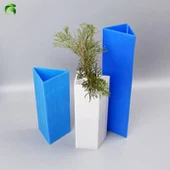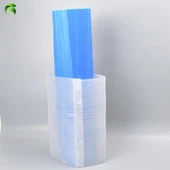


Primary Purpose and Key Benefits:
1. Protection from Animals: This is a primary function. The rigid tube protects the vulnerable sapling from being browsed (eaten) by deer, rabbits, voles, and other animals. It also helps prevent damage from strimmers (weed trimmers) and lawnmowers.
2. Enhanced Growth (The Greenhouse Effect):
◦ The tube acts as a miniature greenhouse, trapping humidity and heat.
◦ This creates a more favorable environment, promoting faster height growth as the tree seeks light above the tube.
◦ The shelter also protects the young tree from harsh winds, reducing water loss through transpiration.
3. Weed Suppression: By shading the immediate area around the seedling, the shelter helps suppress competing vegetation (weeds), reducing competition for water and nutrients.
4. Reduced Herbicide Use: Because the shelter suppresses weeds around the base of the tree, there is less need for chemical herbicides.
5. Visibility: The tubes make young trees highly visible, preventing them from being accidentally damaged or overlooked during land management activities.

Key Features of Polypropylene (PP) Shelters:
• Material: Polypropylene is a type of thermoplastic polymer. It's known for being:
◦ Durable and Rigid: Offers good protection against animals and mechanical impact.
◦ UV Stabilized: High-quality PP shelters are treated to resist degradation from sunlight, ensuring they last for several years-typically long enough for the tree to become established and grow above the tube.
◦ Lightweight: This makes them easy to transport and install.
◦ Recyclable: At the end of their life (usually after 3-5 years when the tree outgrows them), they can often be collected and recycled, which is an important environmental consideration.
• Design Variations:
◦ Ventilation Slots: Many modern designs include slots or perforations to allow for better air circulation, which strengthens the tree stem and prevents it from becoming too reliant on the shelter for support.
◦ Biodegradable Options: While standard PP shelters are plastic, there is a growing market for biodegradable tree shelters made from materials like cardboard or other bio-composites. It's important to note that "PP" specifically refers to the non-biodegradable plastic type. If a shelter is biodegradable, it will be explicitly marketed as such.

Comparison with Other Materials (Like PVC):
PP shelters are often compared to those made from PVC (Polyvinyl Chloride):
• PP: Generally considered more environmentally friendly than PVC. It is recyclable and does not contain chlorine.
• PVC: Can be more rigid but is often less recyclable and has a higher environmental impact during production and disposal.
How to Use a PP Tree Shelter
1. Plant the tree seedling as you normally would.
2. Push a stake (usually a wooden or metal one) firmly into the ground next to the seedling.
3. Slide the tree shelter over the seedling and onto the stake.
4. Secure the shelter to the stake with provided ties or clips. Ensure the base is firmly in contact with the soil to prevent animals from getting underneath.

In short, a PP Tree Shelter is a versatile and effective tool in modern forestry, landscaping, and conservation. It is a plastic guard made from polypropylene that significantly increases the survival rate of young trees by protecting them from animals and the elements while accelerating their early growth. It is also called "polypropylene tree tubes," "tree guards," "sapling shelters," or "tree protectors."

Hot Tags: uv resistant pp tree shelter, China, manufacturers, suppliers, wholesale