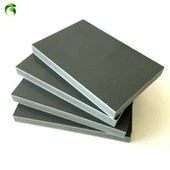
Nowadays, we can see acrylic products everywhere in our lives. Acrylic has high transparency, light transmittance of up to 92%, and excellent weather resistance. It is especially used outdoors, with good surface hardness and gloss, and large processing plasticity. Can be made into various shapes and products required. In addition, there are many types of plates and rich colors (including translucent color plates). Another feature is that thick plates can still maintain high transparency.
Some plastics are pure resins, such as polyethylene and polystyrene, which are called single-component plastics. In addition to synthetic resins, some plastics also contain other auxiliary materials, such as plasticizers, stabilizers, colorants, and various fillers, which are called multi-component plastics.
After the acrylic products are processed and completed, there are four points that need our attention:
First, the thermal deformation of ordinary acrylic sheet is stable at about 100 degrees, so pay attention to this temperature value when using acrylic products, such as the temperature should not be higher than 90 degrees during continuous use.
Second, the surface hardness of acrylic products is equivalent to aluminum, so care should be taken to avoid scratches on the surface when using or processing acrylic. If it is scratched, the original glossy surface can be restored by polishing.
Third, in the case of slight scratches or blurry or unclean acrylic products caused by the adsorption of dust generated by static electricity, you can use 1% soapy water to wipe it clean with a soft cloth.
Fourth, this is a detail that needs to be paid attention to during the assembly process of acrylic products. Because acrylic sheets have a certain coefficient of expansion, the thermal expansion and contraction factors of acrylic sheets must be taken into account when installing. Leave a space for expansion and contraction.