Acrylic products are already an indispensable part of people's lives. They can not only be used for stationery, desk cards, calendars, but also can be made into various product display stands, commodity showcases, and can also become art and crafts.
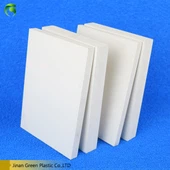
Acrylic products are manufactured from acrylic sheets or plexiglass sheets. The general custom-made process for acrylic products is as follows:
1. Consultation stage
During the consultation stage, the customer needs to provide the corresponding drawings and dimensions to the factory. It is more useful to provide CAD or AI drawings. The size of the drawing should be marked in detail, as well as the product processing technology and materials.
2. Inquiry stage
The inquiry is based on the size of the customer's product, process requirements, material requirements, quantity, etc. to make a quotation. Both parties can negotiate. If the price is acceptable, the next stage of the process can be carried out.
3. Proofing stage
Proofing is a pre-production sample sample made by the factory according to the size requirements provided by the customer. The customer can put forward new requirements according to the sample situation, and the factory provides suggestions for modification to improve the later production situation.
4. Production stage
The factory conducts mass production according to samples and customer requirements. The manufacturer must continuously provide the corresponding production information to the customer and report the production progress to the customer.
5. Delivery and payment stage
After the mass production is completed, the factory must allow the customer to inspect the goods. After the inspection, the customer pays the balance. The factory organizes the shipment of the goods and conducts logistics transportation.
It should be noted that the size and thickness of acrylic will affect the price quotation of the product. During the mass production stage, the customer can negotiate with the factory and propose a small improvement according to the production situation and product effect. Or in the proofing stage, improvement requirements can be put forward, and then proofing for the corresponding number of times.
During the production period, we promptly report related production conditions and problems to customers, help customers to do a good job in product production and ensure product effects and quality.