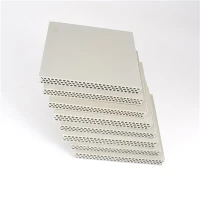
How to Improve Construction Efficiency with PP Hollow Plastic Formwork?
In modern construction projects, improving work efficiency is not only about using more workers or advanced machinery. Choosing suitable building materials and optimizing on-site operations can also make a significant difference. PP hollow plastic formwork is an alternative to traditional formwork materials, offering lightweight handling, moisture resistance, convenient processing, and the potential for repeated use.
For contractors, construction companies, and building material distributors, understanding how to use PP hollow formwork effectively can help improve project organization, reduce unnecessary labor, and make formwork turnover more efficient.
1. Reduce Handling Time with a Lightweight Panel Structure
Moving formwork panels between storage areas, floors, and construction sections can take considerable time, especially on projects with limited access for lifting equipment.
PP hollow formwork features a hollow internal structure that helps reduce panel weight while maintaining a functional board structure.
Compared with heavier solid panels, appropriately specified hollow panels can be easier for workers to carry, position, and adjust manually.
This can be particularly useful for:
Residential building construction
Interior concrete wall and partition work
Small and medium-sized construction projects
Renovation and maintenance projects
Sites where access for lifting equipment is limited
For construction teams, easier panel handling can simplify material distribution and reduce unnecessary movement during installation.
2. Improve Installation Efficiency Through Flexible Processing
Construction dimensions are not always identical across different sections of a project. Openings, corners, columns, beams, and irregular structural areas may require customized formwork sizes.
PP hollow formwork panels can be processed using suitable cutting and drilling equipment, depending on their thickness and internal structure. This allows construction workers to prepare panels for different project dimensions without relying entirely on factory-cut standard sizes.
Common processing operations include:
Cutting panels to the required dimensions
Drilling holes for suitable fastening arrangements
Preparing edges and joints
Adjusting panel layouts around openings and structural details
Before installation, workers should prepare a cutting plan based on the construction drawings. Accurate measurements and organized panel allocation can reduce unnecessary cutting, material waste, and repeated adjustments.
3. Organize the Formwork Layout Before Concrete Pouring
A well-planned formwork layout is essential for efficient concrete construction.
For wall, beam, column, and slab applications, contractors should determine the panel arrangement, support positions, fastening methods, and joint treatment before installation begins.
A practical workflow includes:
Step 1: Review the structural drawings
Confirm the dimensions, concrete thickness, openings, and required formwork configuration.
Step 2: Prepare the support system
Arrange timber battens, steel supports, ties, or other approved supporting components according to the engineering design.
Step 3: Position the panels
Install the PP hollow formwork panels in the planned sequence and ensure that the supporting structure is stable.
Step 4: Secure the joints
Align adjacent panels and seal their joints using an appropriate method to help prevent cement slurry leakage.
Step 5: Inspect before pouring
Check panel condition, fastening points, supports, alignment, and overall stability before concrete placement.
Proper preparation helps avoid unnecessary adjustments during pouring and makes the construction process more organized.
4. Simplify Demolding and Reduce Cleaning Work
Demolding is another important stage affecting construction efficiency.
PP is a moisture-resistant material, and the smooth surface of suitable formwork panels can help make concrete removal and cleaning more convenient. Depending on the specific panel design and concrete conditions, less residue may remain on the panel surface after stripping.
After the concrete has reached the required strength and the approved removal conditions have been met, workers should dismantle the formwork carefully.
Recommended practices include:
Follow the approved demolding sequence.
Avoid striking panel edges with excessive force.
Use suitable tools to remove concrete residue.
Clean the panel surface before the next application.
Inspect the panel for cracks, deformation, or other damage.
Some PP formwork systems may not require a release agent under specified conditions. However, this depends on the manufacturer's instructions, concrete mix, surface condition, and project requirements. Contractors should confirm the correct procedure before use.
5. Increase Formwork Turnover Through Proper Maintenance
The ability to reuse formwork is one of the important considerations when evaluating its long-term value.
Unlike traditional plywood, polypropylene does not absorb water in the same way as wood-based panels. This helps reduce problems associated with moisture absorption and swelling. However, the actual service life of PP hollow formwork depends on product quality, concrete pressure, support spacing, handling, demolding, and storage.
To improve panel turnover, construction teams should establish a simple maintenance routine:
After each use: Remove concrete residue and inspect the panel surface.
Before reuse: Check edges, joints, fastening areas, and internal structure for damage.
During storage: Stack panels on a level surface and avoid excessive loads or impact.
During transportation: Protect panels from dragging, dropping, and unnecessary bending.
Good maintenance practices help preserve panel condition and make it easier to organize the next construction cycle.
6. Select the Right PP Hollow Formwork for Different Applications
Not every construction project requires the same formwork specification. Panel thickness, dimensions, weight, internal structure, and mechanical properties should be considered together.
| Selection Factor | Why It Matters |
|---|---|
| Panel Thickness | Influences stiffness and suitability for different applications |
| Panel Dimensions | Affects cutting requirements and installation layout |
| Hollow Structure | Influences panel weight and structural behavior |
| Impact Resistance | Helps withstand handling and normal jobsite operations |
| Surface Quality | Affects concrete contact and cleaning |
| Mechanical Performance | Must meet the project's loading and support requirements |
For example, slab formwork, wall formwork, and column formwork may require different support arrangements and panel specifications.
Buyers should provide the intended application, concrete dimensions, expected loading conditions, and required panel sizes when requesting quotations. A qualified supplier can then help identify a suitable product specification.
Importantly, general-purpose PP hollow sheets should not automatically be treated as construction-grade formwork. The selected product must have verified mechanical properties for its intended application.
7. Why Construction Companies Consider PP Hollow Plastic Formwork
For contractors managing repeated concrete operations, the value of formwork should be evaluated beyond its initial purchase price.
PP hollow plastic formwork offers several practical characteristics:
Lightweight handling: Easier transportation and positioning on site.
Moisture resistance: Helps avoid moisture-related swelling of the panel material.
Convenient processing: Can be cut and drilled using suitable equipment.
Reusable potential: Suitable products can be used for multiple construction cycles when properly maintained.
Easy cleaning: Smooth panel surfaces can simplify the removal of concrete residue.
Flexible applications: Can be considered for selected wall, slab, beam, and column formwork projects.
The actual benefits depend on panel quality, construction design, installation practices, and jobsite conditions. Contractors should conduct a trial application when introducing a new formwork material into an established construction process.
8. What Should Buyers Look for When Purchasing PP Hollow Formwork?
For overseas contractors, wholesalers, and construction material distributors, choosing a reliable manufacturer is an important part of the purchasing process.
Before placing a bulk order, buyers should pay attention to:
Product specifications: Confirm thickness, width, length, weight, color, and dimensional tolerances.
Material and structure: Understand the PP material composition and internal hollow structure.
Mechanical test data: Request relevant information about bending performance, impact resistance, and other properties required by the project.
Customization capability: Check whether the manufacturer can supply different dimensions and specifications.
Quality consistency: Evaluate whether panels from different production batches maintain consistent dimensions and performance.
Packaging and transportation: Confirm that the packaging can protect panels from damage during international shipping.
A professional manufacturer should be able to provide product specifications, technical information, samples, and customized production options according to the buyer's requirements.
Conclusion
Improving construction efficiency with PP hollow plastic formwork involves more than simply replacing traditional panels with plastic ones.
The real value comes from combining suitable panel specifications with organized installation, careful demolding, convenient cleaning, and effective maintenance.
For construction contractors, these practices can help simplify material handling and formwork turnover. For distributors and building material wholesalers, PP hollow formwork also provides an additional product option for customers seeking reusable plastic formwork solutions.
If you are looking for PP hollow plastic formwork for concrete construction projects, contact us to discuss panel dimensions, thickness, technical specifications, and customized production requirements. We can help you find a suitable solution for your market and application.