PP Hollow Formwork vs Traditional Plywood Formwork: Which Is Better?
Choosing the right formwork material is an important decision in concrete construction. Formwork determines the shape of concrete structures and provides temporary support during pouring and curing. Among the commonly used options, traditional plywood formwork and PP hollow plastic formwork are two materials that contractors may consider.
Plywood has been widely used in construction because it is easy to cut, modify, and assemble. However, the development of reusable plastic building materials has introduced another option: polypropylene (PP) hollow formwork.
Both materials can be used for concrete construction, but they have different characteristics in terms of moisture resistance, handling, maintenance, and long-term cost.
So, which one is better for your construction project? Let's compare PP hollow formwork and traditional plywood formwork in detail.
1. Understanding the Two Formwork Materials
Before comparing their performance, it is important to understand how these materials are manufactured and structured.
PP Hollow Plastic Formwork
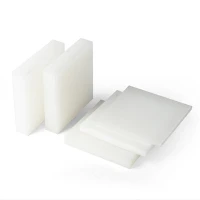
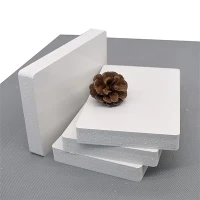
PP hollow formwork is manufactured using polypropylene, a thermoplastic polymer. The panels typically feature an internal hollow structure that helps reduce weight while providing rigidity for construction applications.
Depending on the product design, PP formwork boards can be supplied in different thicknesses, dimensions, and structural configurations.
Their main characteristics include:
* Low water absorption
* Resistance to moisture-related deterioration
* Lightweight panel construction
* Easy surface cleaning
* Potential for repeated use
Traditional Plywood Formwork
Plywood formwork is produced by bonding multiple layers of wood veneer together. Construction-grade plywood may also feature a protective surface coating to improve moisture resistance and concrete release performance.
It remains popular because it is easy to process and can be adapted to different construction shapes.
Its main characteristics include:
* Easy cutting and modification
* Familiar installation methods
* Availability in different thicknesses
* Compatibility with conventional timber formwork systems
* Practical use for customized construction structures
2. PP Hollow Formwork vs Plywood: Key Differences
The following table summarizes the main differences between the two materials.
| Comparison Factor | PP Hollow Formwork | Traditional Plywood Formwork |
| Main Material | Polypropylene | Bonded wood veneers |
| Internal Structure | Hollow plastic structure | Multiple bonded wood layers |
| Water Absorption | Very low | Depends on plywood grade and treatment |
| Moisture Resistance | High | Varies by product quality |
| Weight | Generally lightweight | Depends on thickness and wood density |
| Surface Cleaning | Generally easy | Depends on surface coating and condition |
| Cutting and Modification | Requires suitable cutting methods |
Easy to cut and modify |
| Reusability | Designed for repeated use | Depends on handling and material condition |
| Maintenance | Cleaning and proper storage | Requires protection against moisture and damage |
| Recycling | Recyclable where suitable facilities exist | Depends on local recycling facilities |
The comparison shows that neither material is suitable for every situation. The right choice depends on the construction method, project requirements, and expected service life.
3. Which Material Has Better Water Resistance?
Water resistance is one of the most noticeable differences between PP plastic formwork and plywood.
Polypropylene is a water-resistant material with very low water absorption. Exposure to rain, wet concrete, and routine washing does not cause the same moisture-related swelling associated with wood-based materials.
Plywood performance depends heavily on its grade, adhesive system, surface coating, and storage conditions. Even moisture-resistant plywood may experience edge swelling, coating damage, or veneer separation after prolonged exposure to unsuitable conditions.
For projects in rainy regions or humid environments, PP hollow formwork can offer practical advantages.
However, water resistance should not be confused with the waterproof performance of the entire formwork system. Panel joints and connections still need to be properly installed to prevent concrete leakage.
4. Which Formwork Is Easier to Install?
Installation efficiency depends on panel dimensions, connection systems, worker experience, and the complexity of the structure.
Plywood is easy to cut and modify directly on construction sites. This makes it useful for irregular concrete structures and projects requiring frequent dimensional adjustments.
PP hollow formwork can offer advantages in handling because its hollow structure helps reduce panel weight. Standardized panels can also support organized installation when used with compatible supporting systems.
However, plastic panels may require specific cutting tools, fastening methods, or connection accessories.
For contractors switching from plywood to plastic formwork, it is advisable to test the installation process before introducing the new material across an entire project.
5. Which Material Is More Suitable for Repeated Use?
Reusability is an important factor when evaluating the long-term value of construction formwork.
Plywood panels can be reused, but their condition may gradually deteriorate due to cutting, nailing, stripping, moisture exposure, and surface damage.
PP hollow formwork is designed for repeated construction applications. Its resistance to water absorption and relatively easy cleaning can help maintain its condition during repeated use.
However, actual reuse performance depends on several factors:
* Raw material quality
* Panel thickness and internal structure
* Concrete pressure during pouring
* Installation and dismantling methods
* Cleaning procedures
* Storage conditions between projects
There is no universal reuse-cycle figure that applies to all PP formwork products. Buyers should request manufacturer test data and evaluate samples under actual construction conditions.
6. How Do They Affect Long-Term Construction Costs?
The purchase price of a formwork panel does not represent its complete cost.
Plywood may have a lower initial purchasing cost in some markets, making it attractive for small projects or applications requiring limited use.
PP hollow formwork may require a higher initial investment, but its reusable design and moisture resistance can provide potential savings over multiple projects.
Contractors should evaluate the following cost factors:
Initial Purchase Cost
Compare the prices of panels with equivalent dimensions and intended applications.
Transportation and Handling
Panel weight, packaging dimensions, and transportation distance can influence delivery expenses.
Labor Costs
Consider the time required for installation, dismantling, cleaning, and preparation for the next use.
Maintenance and Replacement
Evaluate how frequently panels need repairs or replacement under actual site conditions.
Reuse Performance
Estimate the cost per practical use rather than focusing only on the original purchase price.
For contractors working on repeated or standardized construction projects, PP hollow formwork may provide an attractive long-term cost structure if its service life justifies the initial investment.
7. Which Material Is Better for Different Construction Applications?
The best formwork material may vary depending on the type of construction work.
PP Hollow Formwork May Be Suitable For:
* Repeated concrete wall construction
* Standardized building projects
* Concrete column and beam applications
* Construction sites with frequent moisture exposure
* Projects requiring reusable formwork panels
* Contractors seeking alternatives to timber-based materials
Plywood Formwork May Be Suitable For:
* One-time or short-term construction projects
* Irregular concrete structures
* Projects requiring extensive on-site cutting
* Customized shapes and temporary structures
* Construction teams already equipped for conventional timber formwork
For floor slabs, foundations, and other structural applications, the suitability of either material must be confirmed through the design of the complete formwork system.
Panel strength, support spacing, ties, braces, and fresh concrete pressure must all be considered.
8. What Should Contractors Consider Before Choosing PP Formwork?
Switching from plywood to PP hollow formwork requires an evaluation of the actual product rather than relying only on general material advantages.
Here are several important points for buyers:
Panel Specifications
Check thickness, dimensions, weight, and internal hollow structure.
Mechanical Performance
Request relevant information about bending behavior, impact resistance, and load-bearing performance.
Surface Quality
Inspect panel flatness, surface consistency, and manufacturing defects.
Connection Compatibility
Confirm whether the panels can work with the project's existing supporting frames, ties, and accessories.
Manufacturer Reliability
A dependable supplier should provide consistent specifications, product samples, technical documentation, and stable production capacity.
These factors help buyers determine whether PP hollow formwork can meet their construction requirements.
9. Final Verdict: PP Hollow Formwork or Traditional Plywood?
PP hollow formwork and traditional plywood formwork both have practical applications in concrete construction.
Plywood remains a flexible option for projects involving complex shapes, frequent on-site modification, and conventional timber-based construction methods.
PP hollow formwork offers another solution for contractors who prioritize moisture resistance, easier cleaning, lightweight handling, and repeated use.
For projects involving frequent formwork operations, PP plastic panels may offer long-term advantages. For irregular structures or applications requiring extensive cutting, plywood may remain a convenient choice.
The best decision should be based on project requirements, technical specifications, construction methods, and total cost over the expected service life.
10. Contact a PP Hollow Formwork Manufacturer
If your company is evaluating alternatives to traditional plywood formwork, choosing a manufacturer with reliable production capabilities and consistent product specifications is an important first step.
SD Green Chemical supplies PP hollow board products for construction and industrial applications. We support inquiries regarding board dimensions, thickness options, product specifications, and customized supply requirements.
Whether you are a construction contractor, building material distributor, or wholesale buyer, we welcome inquiries about PP hollow plastic formwork solutions.
Contact SD Green Chemical to discuss your construction formwork requirements and request product information.