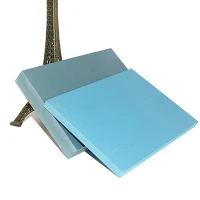
Is PP Plastic Formwork Waterproof and Suitable for Outdoor Construction?
Water exposure is a common challenge on construction sites, especially during outdoor concrete work. Formwork materials may come into contact with rain, wet concrete, groundwater, and frequent cleaning operations. Choosing a material that can withstand these conditions is important for maintaining construction efficiency and reducing material damage.
Traditional plywood formwork is widely used in concrete construction, but prolonged moisture exposure can affect its condition. This has encouraged contractors to consider alternative materials, including polypropylene (PP) plastic formwork.
So, is PP plastic formwork waterproof? Can it be used for outdoor construction projects?
The short answer is yes. Polypropylene is a water-resistant plastic material that does not absorb water like wood. PP hollow formwork can therefore be suitable for many outdoor construction applications, provided the panel specifications and supporting system meet the project requirements.
1. Is PP Plastic Formwork Waterproof?
Polypropylene (PP) is a thermoplastic polymer with very low water absorption. Unlike wood-based materials, it does not swell or deteriorate through water absorption in the same way as plywood.
PP hollow formwork is manufactured from polypropylene and commonly features an internal hollow structure. This structure helps reduce panel weight while providing the rigidity needed for its intended applications.
Its water-resistant properties offer several practical benefits:
* Low Water Absorption: The PP material does not readily absorb water during normal construction use.
* Moisture Resistance: Exposure to rain and wet construction conditions does not cause the same moisture-related swelling associated with untreated wood.
* Easy Cleaning: Concrete residue and surface dirt can generally be removed with water and suitable cleaning methods.
* Dimensional Stability: The plastic material is less susceptible to moisture-related dimensional changes than plywood.
* Repeated Use: Water exposure alone does not normally cause the material to rot or delaminate like wood-based panels.
However, waterproof material does not automatically mean that the complete formwork system is waterproof. Panel joints, fixing points, connections, and installation quality must also be considered.
2. Why Is Water Resistance Important for Outdoor Construction?
Outdoor construction sites are exposed to changing weather conditions. Rainfall, humidity, wet concrete, and temporary water
accumulation can all affect building materials.
For conventional plywood formwork, repeated moisture exposure may lead to several problems:
* Swelling along panel edges
* Surface coating damage
* Separation between wood veneers
* Reduced service life
* Additional maintenance and replacement costs
PP plastic formwork avoids many of these moisture-related problems because polypropylene is inherently water-resistant.
For contractors working in rainy regions or humid climates, this property can simplify formwork storage, cleaning, and material management.
It is particularly useful for projects where panels are repeatedly exposed to wet conditions during concrete pouring and dismantling.
3. Can PP Hollow Formwork Be Used in Rainy and Humid Environments?
Yes. PP hollow formwork can be considered for construction projects in rainy and humid environments.
Its resistance to moisture makes it suitable for applications where conventional wood-based formwork may require additional protection.
Typical outdoor construction applications include:
Concrete Wall Construction
PP plastic panels can be assembled into wall-forming systems with suitable ties, braces, and supporting structures. Their water resistance helps maintain panel condition during wet construction operations.
Column and Beam Forming
Plastic formwork can be used to create different concrete structural shapes. Correct panel connections and external support are essential to maintain stability during concrete pouring.
Foundation Construction
For suitable foundation projects, PP formwork can provide a water-resistant alternative to certain traditional temporary molding materials.
Outdoor Building Projects
Residential buildings, commercial developments, and infrastructure-related projects may use PP plastic formwork where the product specifications match the construction requirements.
The suitability of each application should be determined through engineering assessment rather than material properties alone.
4. How Does PP Plastic Formwork Compare with Plywood in Wet Conditions?
The main difference is how the two materials respond to moisture.
| Comparison Factor | PP Plastic Formwork | Plywood Formwork |
| Water Absorption | Very low | Depends on plywood grade and treatment |
| Moisture-Related Swelling | Generally resistant | Possible after prolonged exposure |
| Rotting | Does not rot like wood | May deteriorate under unsuitable storage conditions |
| Surface Cleaning | Generally easy | Depends on coating and surface condition |
| Edge Protection | Not subject to wood veneer swelling | Edges may be vulnerable to moisture |
| Outdoor Storage | Requires protection from physical damage and excessive heat | Requires moisture protection |
| Repeated Wet Use | Suitable when properly maintained | Depends on condition and maintenance |
Both materials can be used in concrete construction, but their maintenance requirements differ.
For projects with frequent water exposure, PP plastic formwork offers an alternative that reduces concerns related to wood swelling and moisture damage.
5. Does Waterproof PP Formwork Also Resist Sunlight and High Temperatures?
Water resistance is only one factor when evaluating formwork for outdoor use.
Outdoor construction materials may also be exposed to direct sunlight, ultraviolet radiation, high temperatures, and significant temperature changes.
Polypropylene can withstand normal construction environments, but prolonged exposure to direct sunlight and UV radiation may affect its long-term properties if the material is not adequately stabilized.
When purchasing PP hollow formwork for outdoor projects, buyers should consider:
* Whether UV stabilizers are included in the formulation
* The expected outdoor exposure period
* The temperature range during construction
* The panel's bending and impact performance
* Proper storage conditions between projects
For long-term outdoor storage, it is advisable to keep panels protected from excessive sunlight and heat when they are not in use.
Buyers should request relevant technical data from manufacturers instead of assuming that every PP formwork product has the same UV resistance or temperature performance.
6. What Should Buyers Check Before Purchasing Waterproof Plastic Formwork?
For construction contractors, distributors, and building material wholesalers, selecting the right PP plastic formwork requires more than checking whether the material is waterproof.
Several technical factors should be evaluated.
Panel Thickness and Hollow Structure
Different panel thicknesses and internal structures affect weight, stiffness, and handling characteristics. Buyers should select specifications based on the intended formwork design.
Mechanical Strength
Bending behavior, impact resistance, and load-bearing performance are important for concrete construction. The complete formwork system must be designed to withstand the expected fresh concrete pressure.
Surface Quality
A smooth and consistent panel surface can help achieve a more uniform concrete finish. Buyers should check for visible defects and dimensional variations.
UV Resistance
For construction projects involving extended outdoor exposure, ask whether the material contains UV stabilizers and whether supporting test data is available.
Customized Dimensions
Different construction projects may require different panel sizes and thicknesses. A manufacturer capable of providing suitable customization can help reduce unnecessary cutting and material waste.
7. Is PP Plastic Formwork a Good Choice for Outdoor Concrete Projects?
PP plastic formwork offers several advantages for outdoor construction, particularly where moisture resistance, cleaning convenience, and repeated use are important.
It can be considered for:
* Concrete wall and column construction
* Foundation and structural concrete work
* Residential and commercial building projects
* Construction sites in humid or rainy climates
* Projects requiring reusable formwork panels
However, waterproof performance should not be confused with structural capacity. The panels must still meet the project's requirements for concrete pressure, support spacing, bending resistance, and installation safety.
Contractors should verify product specifications and conduct suitable application testing before adopting a new formwork system.
8. Source PP Hollow Plastic Formwork for Your Construction Needs
Choosing a suitable formwork material can help construction companies manage moisture-related material damage and improve the efficiency of repeated construction operations.
PP hollow plastic formwork provides a water-resistant alternative to conventional plywood panels. Its lightweight structure, low water absorption, and easy-cleaning surface make it worth considering for a range of concrete construction applications.
SD Green Chemical supplies PP hollow board products for construction and industrial applications. We support inquiries regarding board thickness, dimensions, product specifications, and customized supply requirements.
If you are sourcing PP plastic formwork for outdoor construction, concrete projects, or wholesale distribution, contact our team to discuss your requirements and request product information.
SD Green Chemical – PP Hollow Board Solutions for Construction and Industrial Applications.