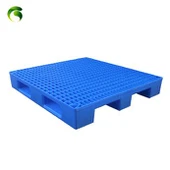
In logistics and supply chain management, businesses often face a dilemma between cost efficiency and environmental sustainability. While single-use cardboard boxes appear cheaper upfront, their hidden operational costs and environmental risks are increasingly evident. PP corrugated reusable containers-engineered for durability, recyclability, and repeated circulation-are emerging as a strategic solution for forward-thinking enterprises.
I. Cost Reduction & Efficiency Gains: Rethinking the "Low-Cost" Myth
Businesses often assume single-use cardboard is more economical, but a long-term perspective reveals the true cost-saving logic of PP corrugated containers:
1,Economic Value: Lower Per-Use Cost Through Circulation
Per-Use Cost Comparison:
Single-use cardboard: Full purchase price per use (e.g., ¥8/RMB 1.10 per unit).
PP corrugated container: At ¥80/RMB 11.00 per unit with a 50-cycle lifespan, per-use cost drops to ¥1.6/RMB 0.22 (80 ÷ 50), an 80% reduction.
Damage & Maintenance Costs:
Cardboard: High annual damage rates (up to 30%) due to moisture/pressure, triggering frequent replacements and labor costs.
PP containers: <5% damage rate (waterproof and crush-resistant), significantly reducing long-term expenses.
2. Operational Efficiency: Optimizing Space and Workflow
Storage Efficiency: Foldable design reduces empty volume by 70%, boosting warehouse utilization by 30%+.
Logistics Speed: 60% lighter than wooden crates, cutting handling time; standardized dimensions seamlessly integrate with automation (e.g., AGV systems), slashing manual sorting errors.
True cost reduction stems not from lowering purchase prices, but from amortizing costs over high-cycle usage and eliminating hidden operational waste.
II. Green Transition: Turning Compliance into Competitive Advantage
Sustainability is no longer a moral choice-it's a business imperative. The environmental attributes of PP corrugated containers directly translate to commercial value:
1. Risk Mitigation: Navigating Global Green Policies
EU CBAM Carbon Tariff: From 2026, high-emission products face additional costs. PP containers' circularity reduces carbon footprint by 40% vs. cardboard (verified by third-party LCA data), shielding businesses from tariffs.
ESG Compliance: For listed companies, green logistics accounts for >15% of ESG scores, directly impacting financing costs and investor confidence.
2. Market Demand: Green Supply Chains as a Differentiator
Client Requirements: Major brands (e.g., Apple, IKEA) mandate reusable packaging for suppliers-non-compliance risks contract termination.
3. Resource Circularity: Waste-to-Value Conversion
End-of-life PP containers: 100% recyclable into new containers, enabling cost offsets (e.g., ¥300/RMB 41 per ton of reclaimed material).
Cardboard contrast: Soiled cardboard often ends in landfills/incineration, incurring disposal fees and regulatory penalties.
Green transition is not a cost center-it's a strategic tool to mitigate regulatory risks, attract clients, and unlock new revenue streams.