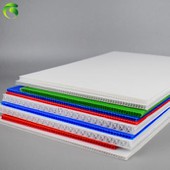
Acrylic has the advantages of light weight, low price, and easy molding. Its molding methods include casting, injection molding, machining, thermoforming, etc. Especially for injection molding, it can be produced in large quantities with simple manufacturing process and low cost. Therefore, its application is becoming more and more extensive. It is widely used in instrument and meter parts, automobile lights, optical lenses, transparent pipes, etc.
Acrylic is the best new material for sanitary ware after ceramics. Compared with traditional ceramic materials, besides its unparalleled high brightness, acrylic has the following advantages: good toughness, not easy to break; strong repairability, as long as the soft foam is dipped in toothpaste, the sanitary ware can be wiped new; soft texture, winter There is no icy feeling; the colors are bright, which can satisfy the individual pursuit of different tastes. Basins, bathtubs, and toilets made of acrylic are not only exquisite in style, durable, but also environmentally friendly. The radiation is almost the same as the radiation of the human body's own bones. Acrylic sanitary ware first appeared in the United States and has occupied more than 70% of the entire international market.
Due to the difficulty and high cost of acrylic production, there are many low-quality and inexpensive substitutes on the market. These substitutes are also called "acrylic", but they are actually ordinary organic boards or composite boards (also called sandwich boards). Ordinary organic board is cast with ordinary plexiglass cracking material and pigment, with low surface hardness, easy to fade, and poor polishing effect after sanding with fine sand. The composite board has only a very thin layer of acrylic on the surface and ABS plastic in the middle. It is easy to delamination due to thermal expansion and contraction during use. True and false acrylic can be identified from the slight color difference and polishing effect of the sheet section
1. Architectural applications: shop windows, soundproof doors and windows, lighting shades, telephone booths, etc.
2. Advertising applications: light boxes, signs, signs, display racks, etc.
3. Transportation applications: doors and windows of trains, automobiles, etc.
4. Medical applications: baby incubators, various surgical medical appliances, civilian products: bathroom facilities, handicrafts, cosmetics, brackets, aquariums, etc.
5. Industrial application: instrument surface plate and cover, etc.
6. Lighting applications: fluorescent lamps, chandeliers, street lampshades, etc.