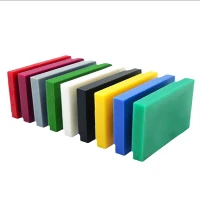
How to Select the Right PP Plastic Formwork for Your Construction Project
Choosing the right formwork material is an important decision for any construction project. The quality of formwork directly affects concrete surface quality, construction efficiency, material costs, and project schedules. Traditional plywood formwork has been widely used in the building industry, but reusable plastic formwork is becoming an alternative solution for contractors and construction material distributors.
PP plastic formwork, made from polypropylene, is designed for concrete forming applications such as walls, columns, beams, and floor slabs. Its lightweight structure, moisture resistance, and potential for repeated use make it worth considering for different construction environments.
However, not every PP formwork board is suitable for every project. Before placing an order, buyers should evaluate several important factors.
1. Understand Your Construction Application
The first step is to identify where and how the PP formwork will be used.
Different construction applications require different board dimensions, thicknesses, and mechanical properties.
Common applications include:
* Concrete Wall Formwork: Used for shaping concrete walls in residential, commercial, and industrial buildings.
* Column Formwork: Suitable for forming concrete columns with appropriate supporting structures.
* Floor Slab Formwork: Used in slab construction where proper structural support and load distribution are essential.
* Beam Formwork: Applied in concrete beam construction to maintain the required shape during pouring and curing.
* Foundation Construction: Used in selected foundation and structural concrete applications.
Before selecting a product, consider the concrete pressure, pouring height, support spacing, and construction method. These factors help determine the required formwork specifications.
2. Choose the Appropriate Thickness and Board Structure
Thickness is one of the most important factors when purchasing PP hollow formwork.
A thicker board does not automatically mean better performance. The suitable thickness depends on the structural design, hollow structure, material quality, reinforcement arrangement, and support spacing.
When comparing different PP formwork products, buyers should pay attention to:
* Board thickness and overall dimensions
* Hollow core structure and wall thickness
* Surface flatness and board consistency
* Flexural strength and stiffness
* Load-bearing performance under specified test conditions
For projects involving higher concrete pressure, the formwork system must be properly designed with suitable supports and reinforcement.
It is recommended to request technical specifications and performance test data from the manufacturer before selecting a board for demanding construction applications.
3. Evaluate Strength, Durability, and Reusability
One of the main reasons contractors consider PP plastic formwork is its potential for repeated use.
Unlike traditional wood-based panels, polypropylene does not absorb water in the same way as plywood. This helps reduce moisture-related problems such as swelling and deterioration.
When evaluating product durability, consider the following characteristics:
Impact Resistance: The board should withstand normal handling, transportation, installation, and removal without easily cracking.
Flexural Performance: Sufficient stiffness is necessary to maintain the required concrete shape under the designed loading conditions.
Moisture Resistance: PP material offers good resistance to water absorption, making it suitable for wet construction environments.
Surface Durability: A consistent surface can help produce a more uniform concrete finish when the formwork is properly installed and maintained.
Reuse Potential: The actual number of reuse cycles depends on board quality, concrete pressure, installation methods, cleaning, storage, and maintenance.
For construction companies managing multiple projects, reusability can help reduce long-term material consumption and replacement costs.
4. Consider Board Dimensions and Customization
Different construction projects have different formwork requirements. Standard board dimensions may work for general applications, while customized sizes can help improve material utilization and reduce unnecessary cutting.
When contacting a supplier, provide the following information:
* Required board length and width
* Board thickness
* Preferred color
* Estimated order quantity
* Intended construction application
* Any special cutting or processing requirements
For distributors and large construction material buyers, customized specifications can also help create products that match local market requirements.
Working directly with a manufacturer can make communication about dimensions, production specifications, and bulk orders more efficient.
5. Compare PP Plastic Formwork with Traditional Plywood Formwork
Both PP plastic formwork and plywood formwork have their own advantages. The right choice depends on project conditions and purchasing priorities.
Comparison PP Plastic Formwork Traditional Plywood Formwork
Main Material Polypropylene Wood-based plywood
Water Resistance High resistance to water absorption Can absorb moisture depending on treatment
Weight Depends on board structure and thickness Depends on wood type and thickness
Reusability Designed for repeated use Reuse depends on quality and site conditions
Maintenance Requires cleaning and proper storage Requires protection from moisture and damage
Surface Smooth plastic surface Depends on plywood surface treatment
Processing Can be cut and processed with suitable tools Can be cut and drilled using woodworking tools
For projects exposed to frequent moisture or requiring repeated formwork cycles, PP plastic formwork may offer practical advantages.
However, buyers should compare the initial purchase price, expected service life, labor costs, supporting requirements, and actual project performance before making a final decision.
6. Check Compatibility with Your Construction System
Selecting a suitable board is only part of the process. The complete formwork system must also be considered.
PP hollow formwork needs appropriate supporting structures, fastening methods, and reinforcement arrangements to maintain stability during concrete pouring.
Before purchasing, confirm:
* Whether the board is compatible with your existing support system
* What spacing is recommended for supports
* Which fastening methods are suitable
* Whether the board can be cut to fit specific project dimensions
* Whether installation and removal procedures are clearly defined
Do not select a board based only on its appearance or material name. Its actual performance must match the engineering requirements of the project.
7. Choose a Reliable PP Plastic Formwork Manufacturer
A reliable manufacturer can help construction companies obtain consistent products and reduce procurement risks.
When evaluating suppliers, consider more than the quoted price.
A professional supplier should be able to provide:
* Detailed product specifications
* Consistent board dimensions and thickness
* Information about raw materials and product structure
* Product samples for evaluation
* Customized production services
* Stable production capacity for bulk orders
* Export packaging and international shipping support
It is also useful to request samples before placing a large order. Testing the boards under your intended working conditions can help confirm whether the product meets your expectations.
8. Why Consider PP Hollow Formwork for Your Next Project?
PP hollow formwork offers several characteristics that make it an attractive option for modern construction applications.
Its polypropylene material provides moisture resistance, while the hollow structure helps reduce material weight compared with some solid plastic panels of similar dimensions.
Other potential benefits include:
* Lightweight structure for easier handling
* Good resistance to water and moisture
* Reusable design for multiple construction cycles
* Smooth surface for concrete forming applications
* Convenient cutting and processing
* Customizable dimensions and thicknesses
These characteristics make PP hollow formwork worth considering for contractors, construction material wholesalers, engineering companies, and building material distributors.
The final selection should always be based on actual technical specifications and project requirements.
Conclusion: Make the Right Formwork Choice for Better Construction Efficiency
Selecting the right PP plastic formwork involves more than comparing prices. Buyers need to consider construction applications, board thickness, structural performance, durability, dimensions, and supplier reliability.
A suitable PP hollow formwork board can support efficient concrete forming operations while offering potential advantages in moisture resistance and repeated use.
If you are looking for PP hollow formwork for concrete walls, columns, beams, or floor slab construction, choosing a manufacturer that offers consistent quality and customized specifications is an important step.
Contact us to discuss your project requirements, request product specifications, and explore customized PP plastic formwork solutions for your construction business.