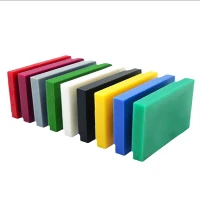
Can Plastic Formwork Replace Traditional Concrete Formwork Systems?
Concrete formwork plays an essential role in modern construction. It provides temporary support and shapes fresh concrete into the required structural components, including walls, columns, beams, foundations, and floor slabs. For many years, timber and plywood have been widely used in concrete formwork systems because they are easy to cut, assemble, and source.
However, traditional formwork materials also have limitations. Moisture exposure, repeated cutting, deformation, and material waste can increase construction costs over time. As construction companies look for more efficient and reusable building materials, plastic formwork has become an alternative worth considering.
So, can plastic formwork replace traditional concrete formwork systems? The answer depends on the project requirements, structural design, construction methods, and the performance of the selected formwork panels.
1. What Makes Plastic Formwork Different?
Plastic formwork is manufactured from polymer materials such as polypropylene (PP). PP hollow formwork boards typically feature a lightweight panel structure with internal hollow sections designed to balance weight and rigidity.
Compared with conventional plywood formwork, PP plastic formwork offers several practical characteristics:
* Moisture Resistance: Polypropylene does not absorb water like wood, helping maintain panel stability in wet construction environments.
* Lightweight Handling: Plastic panels can be easier to transport, carry, and position on construction sites, depending on their dimensions and thickness.
* Reusable Design: Suitable panels can be cleaned and reused across multiple concrete pouring operations when handled and maintained correctly.
* Easy Cleaning: Concrete residue can generally be removed from the panel surface after use.
* Consistent Panel Dimensions: Factory-produced boards can provide consistent thickness and dimensions for planned formwork layouts.
* Reduced Dependence on Timber: Using reusable plastic panels can help reduce the consumption and disposal of temporary timber formwork materials.
These characteristics make plastic formwork particularly attractive for projects where repeated use and material management are important.
2. Plastic Formwork vs. Traditional Plywood Formwork
Plastic formwork and plywood formwork serve the same basic purpose, but their material properties and long-term operating costs are different.
| Comparison Factor | PP Plastic Formwork | Traditional Plywood Formwork |
| Main Material | Polypropylene | Wood veneers bonded with adhesive |
| Moisture Resistance | High, depending on product design | Can be affected by moisture |
| Weight | Generally lightweight | Varies by thickness and construction |
| Cleaning | Generally easy to clean | Concrete residue may be harder to remove |
| Reusability | Designed for repeated use | Reuse depends on condition and handling |
| Cutting and Modification | Depends on board structure and processing method | Can be cut and modified on site |
| Maintenance | Requires cleaning and proper storage | Requires protection against moisture and damage |
| End-of-Life Considerations | Potentially recyclable where suitable facilities exist | Disposal or recycling depends on local conditions |
There is no single material that is suitable for every construction project. Plywood may remain a practical choice for irregular structures, one-time projects, or sites where workers are already familiar with traditional timber systems.
Plastic formwork, on the other hand, can offer advantages for standardized construction work and projects that can benefit from repeated panel use.
3. Can Plastic Formwork Handle Different Concrete Structures?
One important consideration when replacing traditional formwork is whether plastic panels can meet the requirements of different structural applications.
PP plastic formwork can be considered for several common construction tasks:
Concrete Walls
Plastic formwork panels can be arranged into wall-forming systems with suitable ties, supports, and reinforcement. The complete system must be designed to withstand the pressure of fresh concrete during pouring.
Columns and Beams
Panels can be assembled into different configurations for column and beam casting. Correct panel dimensions, joint connections, and external support are important for maintaining the required shape.
Floor Slabs
For slab applications, plastic formwork boards must be used with an appropriately engineered supporting framework. The load-bearing capacity of the complete system, including beams and props, must be verified before concrete placement.
Foundations
Plastic formwork may also be considered for certain foundation structures, depending on the project design, ground conditions, concrete pressure, and installation requirements.
It is important to understand that a plastic panel cannot automatically replace every component of a conventional formwork system. Supporting frames, ties, braces, props, and connection accessories remain essential parts of safe formwork construction.
4. Is Plastic Formwork More Cost-Effective?
The purchase price is only one part of the total cost of a formwork system.
Traditional plywood may have a lower initial purchase cost in some markets. However, repeated replacement, cutting waste, surface damage, and disposal can increase its overall expense.
Plastic formwork may require a higher initial investment depending on its specifications and manufacturing quality. Its potential economic advantage comes from repeated use and easier maintenance.
When comparing the two materials, construction companies should consider:
* Initial material and transportation costs
* Expected number of practical reuse cycles
* Labor required for installation and dismantling
* Cleaning and maintenance expenses
* Damage rates during construction
* Storage conditions between projects
* Compatibility with existing formwork accessories
For contractors working on multiple similar projects, reusable PP formwork may help reduce material replacement and waste. The actual savings depend on the panel's service life, project frequency, labor costs, and local construction conditions.
5. What Should Buyers Check Before Switching to Plastic Formwork?
Replacing an established formwork material requires more than comparing product prices. Buyers should evaluate the technical specifications and construction compatibility of the panels.
Panel Thickness and Internal Structure
Different thicknesses and hollow structures can affect panel stiffness, weight, and handling characteristics. Buyers should request technical data and samples to assess whether the product matches their intended application.
Mechanical Performance
Bending behavior, impact resistance, and load-bearing performance should be evaluated using relevant test data. The panel must be suitable for the loads expected in the proposed formwork arrangement.
Surface Quality
A consistent surface can help achieve a more uniform concrete finish. Buyers should inspect the board surface for defects, unevenness, and dimensional variation.
Connection and Support Compatibility
The panel dimensions and fixing methods should work with the project's supporting structure. Compatibility with existing ties, frames, and accessories can influence installation efficiency.
Manufacturer Supply Capability
For large construction projects and distribution businesses, stable production capacity, consistent product specifications, customized dimensions, and reliable export packaging are also important considerations.
6. What Are the Limitations of Plastic Formwork?
Although plastic formwork offers practical benefits, it is not a universal replacement for traditional systems.
Its performance depends on material quality, panel structure, thickness, temperature conditions, support spacing, and construction methods.
For example, excessive concrete pressure or insufficient support may cause deformation or failure. High-temperature environments may also affect the mechanical behavior of polymer materials.
In addition, highly irregular structures or projects requiring extensive on-site modification may still be easier to complete with conventional timber formwork.
Before using plastic panels for structural concrete work, contractors should verify the manufacturer's technical specifications and follow an appropriate formwork design. A trial application can also help evaluate installation procedures and concrete surface results.
7. Is PP Plastic Formwork the Right Choice for Your Next Project?
PP hollow plastic formwork is a practical alternative for construction companies looking to improve material reuse, reduce moisture-related damage, and simplify formwork cleaning.
It may be particularly suitable for:
* Residential and commercial building projects
* Repeated concrete wall and column construction
* Standardized construction operations
* Contractors managing multiple construction sites
* Formwork distributors and building material wholesalers
For projects with repeated formwork requirements, evaluating plastic panels based on their total service cost rather than initial purchase price can provide a clearer basis for decision-making.
8. Choose a Reliable PP Plastic Formwork Manufacturer
Selecting the right manufacturer is an important step when introducing plastic formwork into an existing construction process.
A reliable supplier should be able to provide clear product specifications, consistent board quality, customized dimensions where available, and technical information to support product evaluation.
As a PP plastic board manufacturer, SD Green Chemical focuses on supplying PP hollow board products for construction and industrial applications. We support inquiries for product specifications, board dimensions, and customized supply requirements.
If you are looking for PP hollow plastic formwork for concrete construction projects or wholesale distribution, contact us to discuss your application and obtain product details.
SD Green Chemical – Your Partner for PP Hollow Plastic Board Solutions.